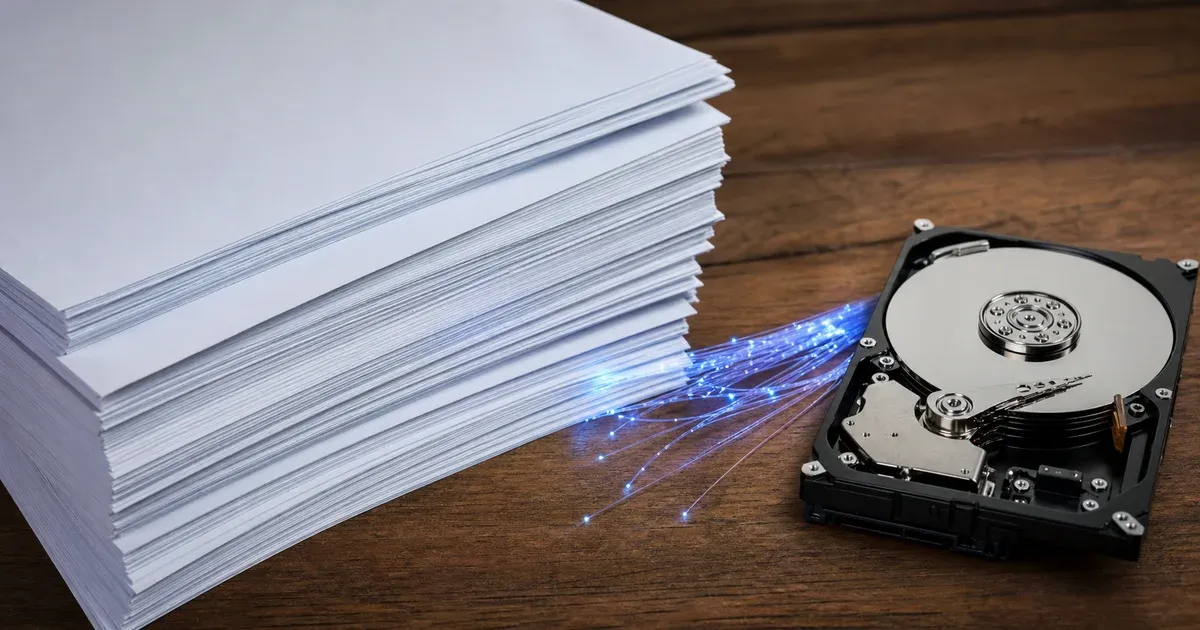
Base64 for Files: Data URIs, Binary Transport & the 33% Overhead
What types of files you can send as Base64, how much Base64 size overhead costs, when to use data URIs, and Base64 vs binary for storing and sharing documents.
Read more → What types of files you can send as Base64, how much Base64 size overhead costs, when to use data URIs, and Base64 vs binary for storing and sharing documents.
Read more →
Which characters are valid Base64, which are illegal, why a block can be illegible, why it can start with /, and how the = padding works, with an example.
Read more →
The first 32 ASCII codes are not characters you type. Here is what LF, CR, TAB and NUL actually mean, why CRLF still exists, and how to find invisible ones.
Read more →
Is Base64 secure? No — Base64 is an encoding, not encryption. Learn how encoding vs encryption vs hashing differ and how to actually protect data.
Read more →
Mojibake has one common cause: UTF-8 bytes read as Latin-1. Here is how to recognise the pattern, trace it to the layer that broke, and confirm the fix.
Read more →
Past the basics of ASCII and UTF-8: how the standard was renamed, how the 17 Unicode planes are laid out, and why normalization breaks sorting and search.
Read more →
Should you minify or prettify your JSON? Learn what each does, the size vs readability trade-off, why minifying never changes your data, and which to use when.
Read more →
The six JSON value types per RFC 8259 — object, array, string, number, boolean, and null — with valid vs invalid examples and the type mistakes that break APIs.
Read more →
Learn how to format, minify, and validate JSON online: choosing indentation, what validation catches, and how to fix trailing commas, single quotes, and BOM errors.
Read more →
Decompile a JAR file online with nothing to install and nothing uploaded to a server. Learn the browser-based, privacy-first workflow for reading Java classes.
Read more →
Compare online browser-based Java decompilers with desktop tools like JD-GUI, CFR, Procyon, Fernflower and Krakatau, and learn when each approach wins.
Read more →
How numbers work in JSON per RFC 8259: the exact grammar, one number type with no int/float split, no NaN or Infinity, and IEEE 754 precision pitfalls beyond 2^53.
Read more →